
A child’s first dental visit is an important milestone, not just for oral health but also for building lifelong positive habits. Many parents feel unsure about when to schedule this visit, what will happen during the appointment, and how their child might react. Understanding the process helps reduce anxiety and ensures the experience is smooth for both parent and child.
This guide explains everything parents need to know about the first dental visit and how pediatric dentistry focuses on making early dental care safe, comfortable, and effective.
When Should a Child Have Their First Dental Visit?
Most dental professionals recommend that a child’s first dental visit should take place by their first birthday or within six months after the first tooth appears. This early visit allows the dentist to monitor tooth development, identify potential concerns early, and guide parents on proper oral care routines.
Early visits are a core part of pediatric dentistry because baby teeth play a crucial role in speech development, chewing, and guiding permanent teeth into the correct position. Delaying dental care can increase the risk of cavities and oral issues that are harder to treat later.
Why the First Dental Visit Is So Important
The first visit is not only about checking teeth—it is about prevention, education, and comfort. Pediatric dentistry emphasizes early intervention and prevention rather than waiting for dental problems to arise.
Key benefits of an early dental visit include:
Detecting early signs of tooth decay or gum issues
Learning proper brushing and flossing techniques for children
Receiving guidance on diet, thumb-sucking, and pacifier habits
Helping children become familiar with the dental environment
Children who start dental visits early are more likely to maintain good oral health habits and feel confident about dental care as they grow.
What Happens During Your Child’s First Dental Appointment?
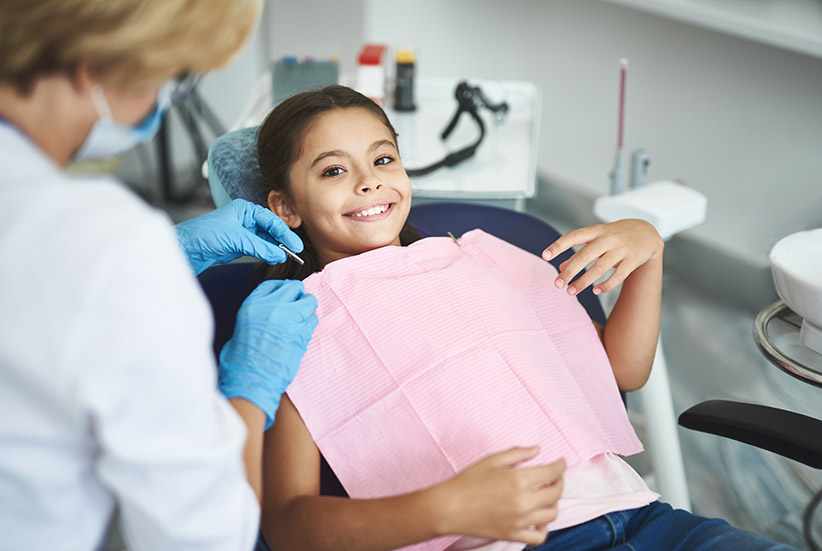
The first dental visit is usually short, gentle, and focused on comfort. Pediatric dentistry practices are designed to be child-friendly, creating a calm and welcoming environment.
1. Oral Examination
The dentist will carefully examine your child’s teeth, gums, jaw, and bite to ensure proper development. This helps identify early signs of cavities, alignment issues, or other concerns.
2. Gentle Cleaning (If Needed)
If your child is comfortable, the dentist may perform a light cleaning to remove plaque or surface stains. This also helps children get used to the feeling of dental tools in a non-threatening way.
3. Parent Education
A major part of pediatric dentistry involves educating parents. The dentist will explain:
How to clean your child’s teeth properly
The importance of fluoride
Healthy eating habits that support strong teeth
Common causes of cavities in children
4. Preventive Guidance
The dentist may discuss preventive treatments, such as fluoride applications or dental sealants, depending on your child’s age and risk level.
How Pediatric Dentistry Creates a Child-Friendly Experience
Pediatric dentistry is specially designed to meet the emotional and physical needs of children. Dentists trained in pediatric dentistry understand child behavior and use techniques that help children feel safe and relaxed.
Some common child-friendly approaches include:
Using simple, reassuring language
Explaining tools in a playful way
Allowing children to sit on a parent’s lap if needed
Creating a positive, pressure-free atmosphere
The goal is to build trust and ensure the child leaves with a positive impression of dental care.
How Parents Can Prepare Their Child for the First Visit
Preparing your child properly can make a big difference. Parents play an important role in shaping how children perceive dental visits.
Here are a few helpful tips:
Talk positively about the dentist and avoid sharing negative dental experiences
Read children’s books or watch videos about visiting the dentist
Schedule the appointment at a time when your child is well-rested
Avoid using words like “pain,” “hurt,” or “injection”
Pediatric dentistry works best when children arrive calm and curious rather than fearful.
Common Questions Parents Ask During the First Visit
Many parents have concerns they want addressed during the first dental visit. Pediatric dentistry appointments encourage open communication.
Some common topics include:
Is thumb sucking harmful to teeth?
How much toothpaste should my child use?
When should flossing begin?
Are cavities in baby teeth serious?
Dentists take time to answer these questions and provide clear, practical advice tailored to your child’s age and needs.
What If My Child Is Anxious or Uncooperative?
It is completely normal for children to feel nervous during their first dental visit. Pediatric dentistry professionals are trained to handle anxiety with patience and understanding.
Dentists may:
Allow breaks during the appointment
Use distraction techniques
Slowly introduce dental instruments
Focus on building comfort rather than completing procedures
The priority is not to force treatment but to create a positive experience that builds confidence over time.
How Often Should Children Visit the Dentist After the First Visit?
After the first appointment, most children should visit the dentist every six months. Regular visits help monitor growth, prevent cavities, and reinforce healthy habits.
Routine checkups are a cornerstone of pediatric dentistry, ensuring small issues are addressed before they become serious problems.
Choosing the Right Dental Clinic for Your Child
Selecting a clinic that specializes in pediatric dentistry makes a significant difference in your child’s dental experience. A child-focused dental practice offers the expertise, environment, and approach needed to support young patients effectively.
At Pleasant Dental, pediatric care is centered around comfort, prevention, and long-term oral health, helping children develop healthy smiles from an early age.
Final Thoughts
Your child’s first dental visit sets the foundation for lifelong oral health. Understanding what to expect helps parents feel confident and ensures children have a positive introduction to dental care. Pediatric dentistry focuses on prevention, education, and comfort, making early visits a valuable investment in your child’s overall well-being.
By starting dental care early and choosing the right pediatric-focused approach, parents can give their children the gift of a healthy, confident smile that lasts a lifetime.




Write a comment ...